

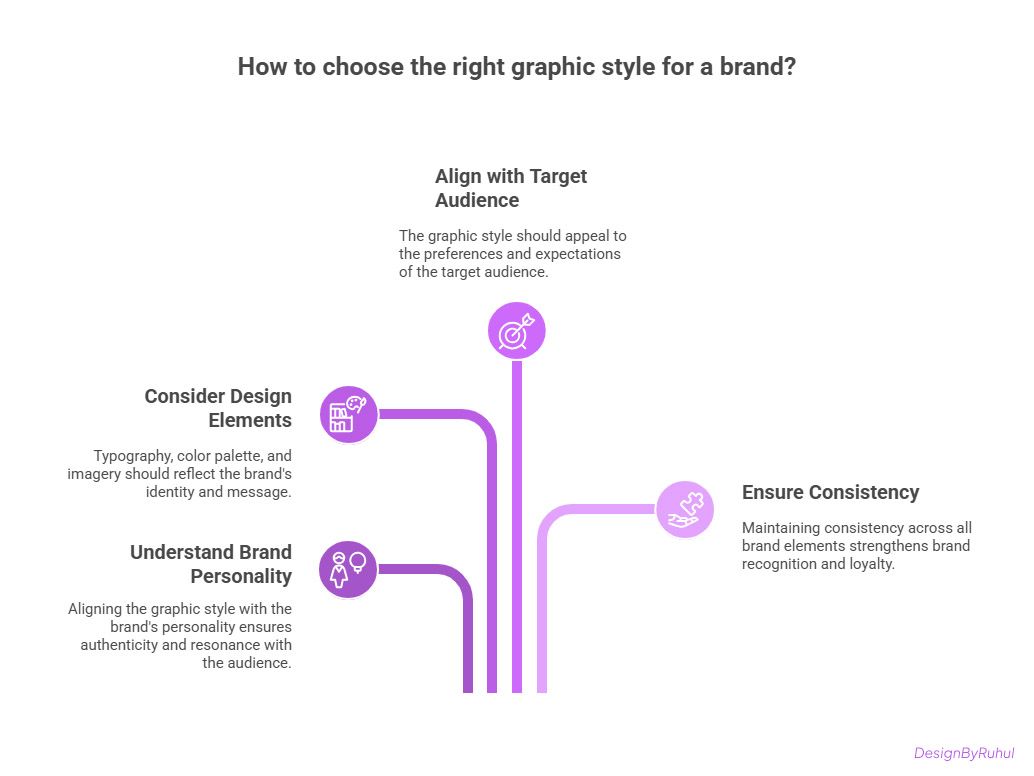
Choosing the right graphic style is crucial for any brand as it directly influences how the brand is perceived by its audience. In the world of graphic design, the chosen style becomes a defining part of the visual brand identity, shaping how customers recognize and connect with a brand. The graphic style is a significant component of brand identity design, encompassing elements like typography, color palette, and imagery that together convey the brand’s personality.
A well‑designed visual brand identity not only captures the essence of the brand but also resonates with its target audience, fostering brand loyalty and recognition. In this section, we’ll introduce the importance of aligning graphic design style with brand personality and outline the key considerations for making this alignment effective.
Main Insights
- Understand your brand’s personality to choose the right graphic style.
- Consider typography, color palette, and imagery in your brand identity design.
- Align your graphic style with your target audience’s preferences.
- A well-designed graphic style fosters brand loyalty and recognition.
- Key considerations include consistency and coherence across all brand elements.
Understanding Your Brand Personality
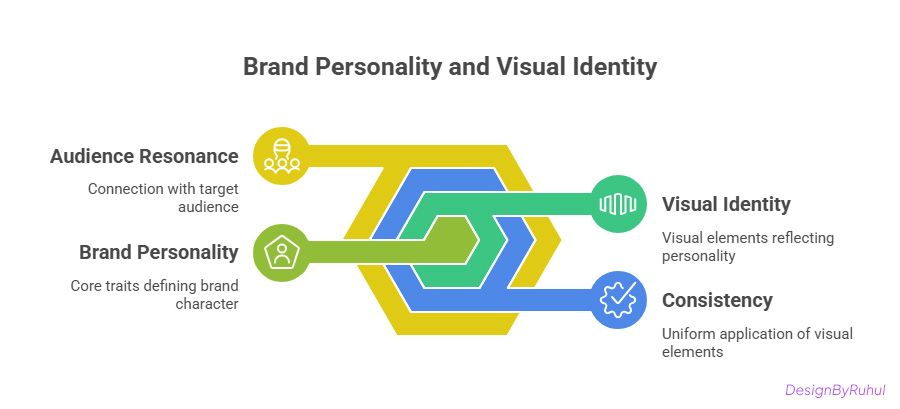
Understanding your brand’s personality is crucial for developing a visual identity that resonates with your target audience. Your brand’s personality is reflected in its values, tone, and language, which collectively influence how customers perceive and interact with your brand.
Defining Brand Personality Traits
Defining your brand’s personality traits involves identifying the characteristics that make your brand unique and relatable. Common traits include being friendly, professional, innovative, or luxurious. By pinpointing these traits, you can create a consistent tone and visual language that resonates with your audience.
| Brand Personality Trait | Description | Visual Elements |
|---|---|---|
| Friendly | Approachable and welcoming | Warm colors, playful typography |
| Professional | Serious and trustworthy | Neutral colors, clean typography |
| Innovative | Creative and forward-thinking | Bold colors, futuristic designs |
The Importance of Consistency in Visual Communication
Consistency in visual communication is vital for reinforcing your brand’s message and strengthening its identity. By using consistent visual elements across all platforms, you can create a cohesive and recognizable brand image that resonates with your audience.
Consistency can be achieved by establishing a clear brand style guide that outlines the usage of visual elements such as logos, color schemes, typography, and imagery. This ensures that all marketing materials and customer touchpoints convey a unified message and aesthetic, ultimately enhancing brand recognition and loyalty.
Popular Graphic Styles and Their Emotional Impact
Different graphic styles have the power to elicit distinct emotional responses, making it essential for brands to choose a style that aligns with their personality. The right graphic style can enhance a brand’s appeal and create a lasting impression on its audience.
Understanding the emotional impact of various graphic styles is crucial for selecting a style that complements the brand’s traits. Let’s explore some popular graphic styles and their emotional impact.
Minimalist and Clean Designs
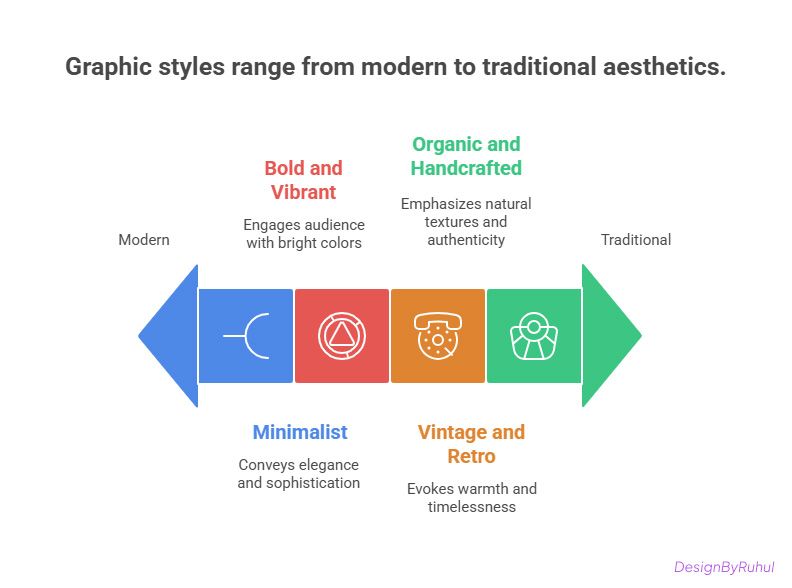
Minimalist designs are characterized by simplicity, clean lines, and ample white space. This style conveys elegance, sophistication, and modernity. Brands like Apple and Calm effectively use minimalist designs to create a sense of clarity and focus.
Bold and Vibrant Aesthetics
Bold and vibrant aesthetics are all about making a statement. They use bright colors, dynamic shapes, and energetic compositions to convey excitement and dynamism. Brands like Nickelodeon and Spotify use bold graphics to engage their audience and create a lively atmosphere.
Vintage and Retro Styles
Vintage and retro styles draw inspiration from the past, incorporating classic elements and nostalgic feels. These styles can evoke a sense of warmth, comfort, and timelessness. Brands like Coca-Cola and Levi’s often use vintage elements to create a sense of heritage and tradition.
Organic and Handcrafted Approaches
Organic and handcrafted approaches emphasize natural textures, handmade elements, and earthy tones. This style can convey a sense of authenticity, sustainability, and uniqueness. Brands like Patagonia and Lush use organic and handcrafted visuals to connect with their audience on a more personal and eco-friendly level.
| Graphic Style | Emotional Impact | Brand Example |
|---|---|---|
| Minimalist | Elegance, Simplicity | Apple |
| Bold and Vibrant | Energy, Dynamism | Nickelodeon |
| Vintage and Retro | Nostalgia, Timelessness | Coca-Cola |
| Organic and Handcrafted | Authenticity, Sustainability | Patagonia |
By understanding the emotional impact of different graphic styles, brands can make informed decisions about their visual identity. Choosing the right graphic style is crucial for creating a strong brand aesthetic that resonates with the target audience.
Matching Graphic Styles to Brand Personality Types
Different brand personalities require distinct graphic styles to effectively communicate their values and resonate with their target audience. By aligning the graphic style with the brand’s personality, businesses can create a cohesive and impactful brand identity.
The choice of graphic style is not just about aesthetics; it’s about creating an immediate visual connection with the audience. For instance, a brand that prides itself on being innovative and forward-thinking might opt for a bold and vibrant graphic style to reflect its dynamic nature.
Corporate and Professional Brands
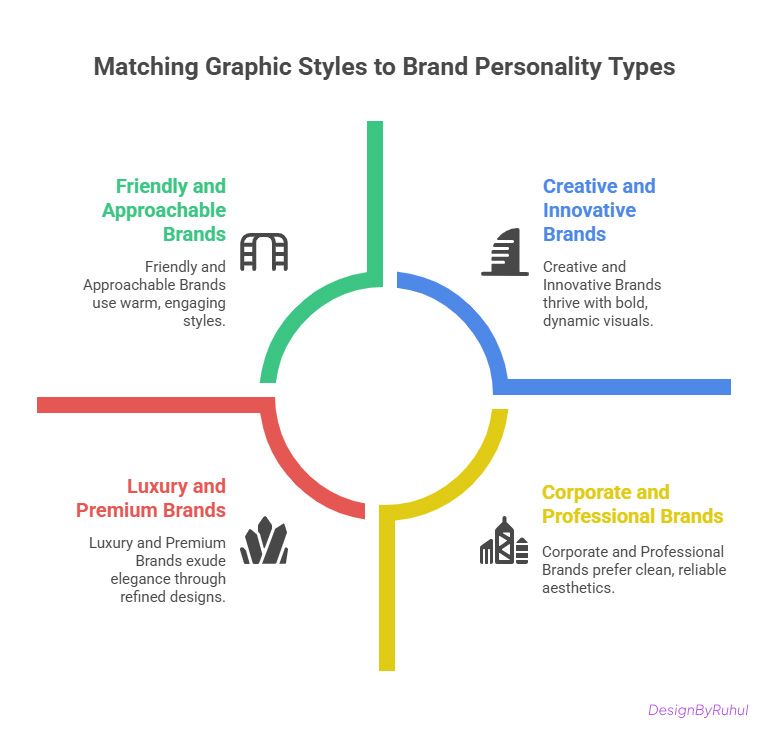
For corporate and professional brands, a clean and minimalist graphic style is often the most appropriate. This style conveys a sense of reliability, sophistication, and professionalism. Brands like IBM and Deloitte exemplify this approach, using simple yet effective visual elements to communicate their message.
Creative and Innovative Brands
Creative and innovative brands, on the other hand, often benefit from bold and vibrant graphic styles. This approach allows them to showcase their dynamic and imaginative nature. Brands like Adobe and Nike are known for their bold visual identities, which reflect their commitment to creativity and innovation.
Friendly and Approachable Brands
Friendly and approachable brands typically adopt warm and inviting graphic styles. This might include the use of bright colors, playful typography, and organic shapes. Brands like Lego and Coca-Cola use such styles to create a welcoming and engaging brand image.
Luxury and Premium Brands
Luxury and premium brands often opt for sophisticated and elegant graphic styles. This can involve the use of high-end materials, refined typography, and classic color schemes. Brands like Rolex and Gucci embody luxury through their refined and sophisticated visual identities.
| Brand Personality Type | Graphic Style | Key Characteristics |
|---|---|---|
| Corporate and Professional | Clean and Minimalist | Reliability, Sophistication |
| Creative and Innovative | Bold and Vibrant | Dynamic, Imaginative |
| Friendly and Approachable | Warm and Inviting | Welcoming, Engaging |
| Luxury and Premium | Sophisticated and Elegant | Refined, High-end |
Creating Effective Brand Identity Design: From Concept to Implementation
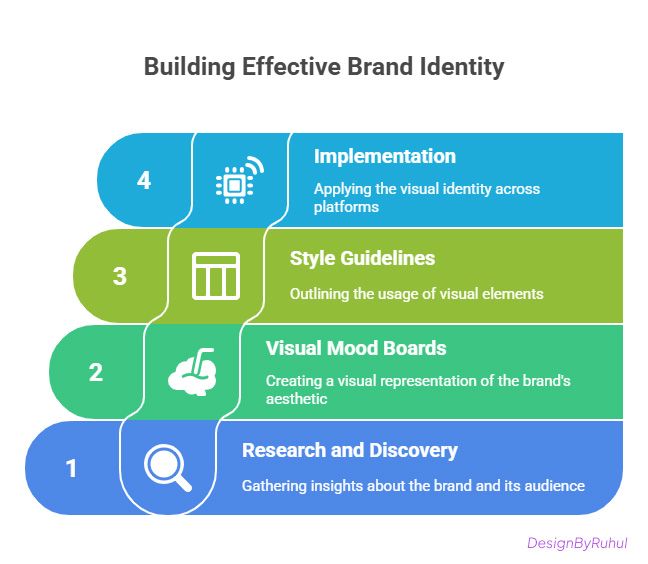
The process of creating an effective brand identity design involves several strategic steps, from research to implementation. A comprehensive brand identity is not just about a logo or color scheme; it’s about creating a visual language that communicates the brand’s values, personality, and message.
Research and Discovery Phase
The journey begins with a thorough research and discovery phase. This stage is crucial for understanding the brand’s personality, target audience, and market positioning. It involves gathering insights through surveys, interviews, and competitor analysis to develop a deep understanding of the brand’s unique selling proposition (USP).
Creating Visual Mood Boards
Once the research is complete, the next step is to create visual mood boards. These boards are collages of images, colors, and textures that evoke the desired emotional response and aesthetic direction for the brand. They serve as a visual guide for the design team, ensuring everyone is aligned with the brand’s visual identity.
Developing Style Guidelines
With the visual direction established, the next step is to develop comprehensive style guidelines. These guidelines outline the specific usage of visual elements such as typography, color palette, imagery, and iconography. They ensure design consistency across all platforms and touchpoints, reinforcing the brand’s identity.
Implementing Your Visual Identity Across Platforms
The final step is implementing the visual identity across various platforms, including digital media, print materials, and physical environments. Consistency is key to building a strong brand presence. A well-implemented visual identity enhances brand recognition and loyalty, making the brand more relatable and memorable.
| Stage | Description | Key Outcomes |
|---|---|---|
| Research and Discovery | Gathering insights about the brand and its audience | Understanding of brand personality and USP |
| Visual Mood Boards | Creating a visual representation of the brand’s aesthetic | Visual direction for design |
| Style Guidelines | Outlining the usage of visual elements | Consistency in design application |
| Implementation | Applying the visual identity across platforms | Enhanced brand recognition and loyalty |
Conclusion: Bringing Your Brand to Life Through Intentional Design
Choosing the right graphic style for your brand personality is a crucial aspect of brand identity design. By understanding your brand’s personality and selecting a suitable graphic style, you can create a strong and recognizable brand identity that resonates with your target audience.
A well-crafted brand identity is not just visually appealing; it’s also deeply resonant with your audience, driving brand loyalty and success. Intentional design decisions play a pivotal role in bringing your brand to life and making a lasting impression.
As you move forward with your brand design, consider how your graphic style will be implemented across various platforms, ensuring consistency in visual communication. By doing so, you’ll be able to establish a cohesive brand image that effectively communicates your brand’s values and personality.
FAQ
What is the importance of aligning graphic style with brand personality?
Aligning graphic style with brand personality is crucial as it directly influences how the brand is perceived by its audience and fosters brand loyalty and recognition.
How do I define my brand’s personality traits?
Defining brand personality traits involves identifying characteristics such as being friendly, professional, or innovative, which will be consistently communicated through all visual elements.
What are the different graphic styles and their emotional impact?
Different graphic styles, such as minimalist, bold and vibrant, vintage, and organic, evoke different emotional responses from the audience, and understanding their impact is crucial for selecting a style that aligns with the brand’s personality.
How do I match a graphic style to my brand personality type?
Matching a graphic style to brand personality type involves understanding the brand’s traits and selecting a style that complements them, such as clean and minimalist for corporate brands or bold and vibrant for creative brands.
What are the steps involved in creating an effective brand identity design?
Creating an effective brand identity design involves research and discovery, creating visual mood boards, developing style guidelines, and implementing the visual identity across various platforms.
How do I ensure consistency in visual communication?
Ensuring consistency in visual communication involves developing style guidelines and applying them consistently across all visual elements and platforms.
What is the role of research and discovery in brand identity design?
Research and discovery play a crucial role in understanding the brand’s personality, target audience, and aesthetic direction, laying the foundation for a well-crafted brand identity.
How do I implement my visual identity across different platforms?
Implementing visual identity across platforms involves applying the brand’s visual elements, such as typography, color palette, and imagery, consistently across various channels, including digital and print media.
Learn more in my guide on How to Build a Website That Actually Sells: The Proven UX Formula for Conversions

