

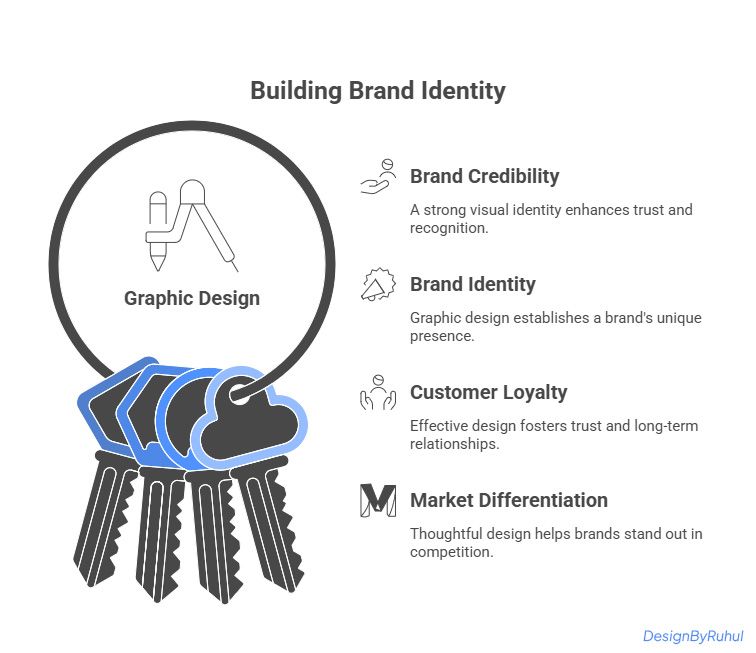
A well-crafted graphic design is crucial in establishing a strong brand identity. It can make a significant difference in how a brand is perceived by its target audience. A study by McKinsey found that brands with a strong visual identity are more likely to be remembered by consumers.
By implementing a thoughtful brand design strategy, businesses can enhance their credibility and stand out in a competitive market. Effective graphic design communicates a brand’s values and message, fostering trust and loyalty among customers.
Main Insights
- A strong visual identity is crucial for brand credibility.
- Graphic design plays a key role in establishing a brand’s identity.
- A well-crafted brand design strategy can enhance customer trust and loyalty.
- Effective graphic design communicates a brand’s values and message.
- Businesses can stand out in a competitive market with thoughtful graphic design.
The Fundamental Role of Brand Design Strategy in Building Credibility
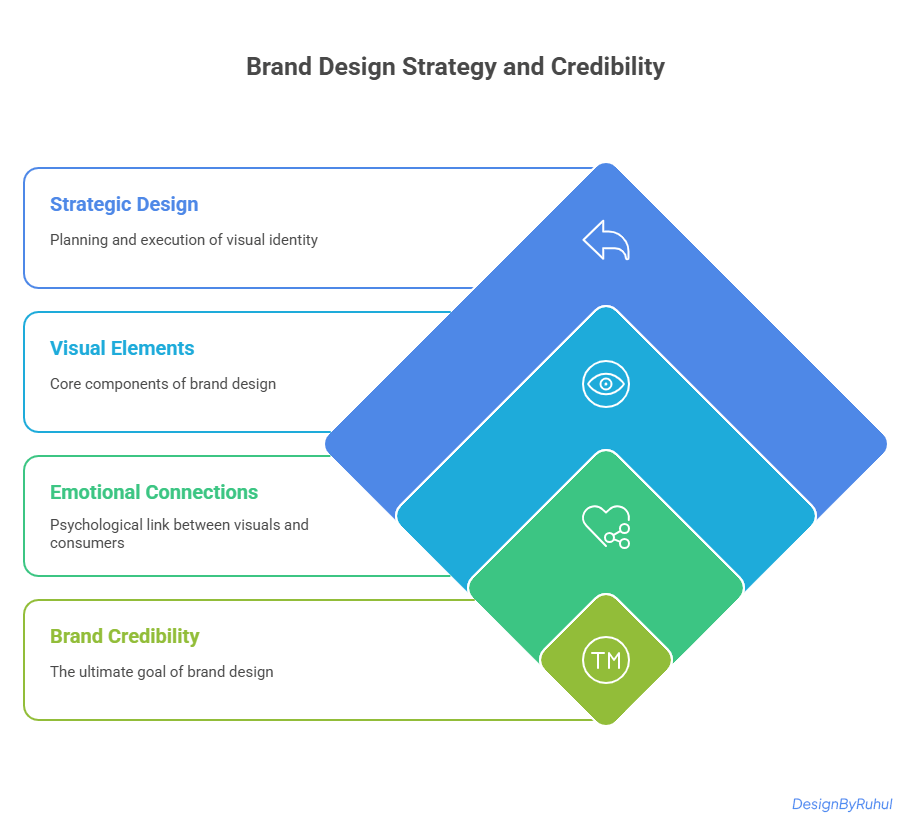
The visual elements of your brand play a significant role in shaping consumer perception and building credibility. A strategic brand design is not just about aesthetics; it’s about creating a visual identity that resonates with your target audience and fosters trust.
What Defines Brand Credibility in Today’s Market
Brand credibility is defined by the consistency and reliability of a brand’s visual identity and messaging. In today’s market, consumers are bombarded with choices, making it crucial for brands to stand out through a cohesive and recognizable visual brand language.
The Psychology Behind Visual Brand Trust
The psychology behind visual brand trust lies in the emotional connections consumers make with a brand’s visual elements. Colors, typography, and imagery all contribute to the emotional resonance of a brand, influencing how consumers perceive its credibility and reliability.
How Strategic Design Shapes Consumer Perception
Strategic design shapes consumer perception by creating a consistent visual narrative that aligns with the brand’s values and messaging. This consistency reinforces the brand’s credibility and makes it more relatable to its audience.
To illustrate the impact of strategic brand design, let’s examine a comparative analysis of brand elements:
| Brand Element | Consistent Design | Inconsistent Design |
|---|---|---|
| Color Scheme | Reinforces brand recognition | Confuses the audience |
| Typography | Enhances brand personality | Weakens brand identity |
| Imagery | Creates emotional connections | Fails to engage the audience |
Essential Elements of Effective Brand Identity Design
Brand identity design encompasses various elements that work together to create a lasting impression on consumers. A well-crafted brand identity is not just about looking good; it’s about creating a consistent and meaningful visual language that resonates with your target audience.
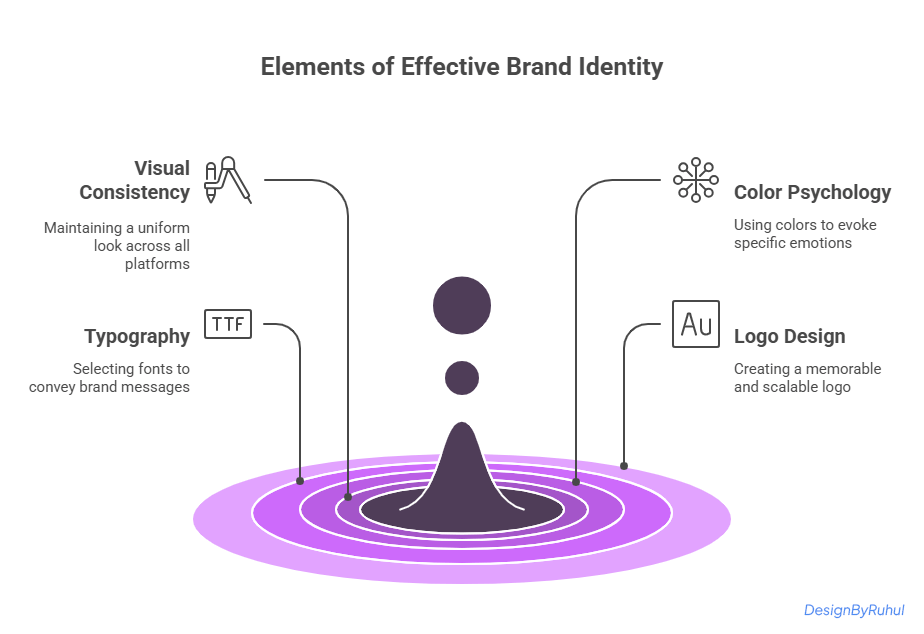
Visual Consistency Across All Touchpoints
Maintaining visual consistency across all platforms is crucial for reinforcing your brand’s identity. This includes both digital and physical touchpoints.
Digital Presence Consistency
Ensuring that your website, social media, and digital advertisements have a uniform look and feel is vital. This consistency helps in building a strong brand image.
Print and Physical Materials Alignment
Your print materials, such as business cards, brochures, and billboards, should align with your digital presence. This alignment strengthens your brand’s overall identity.
Color Psychology and Brand Personality
Color psychology plays a significant role in shaping consumer perceptions. Different colors evoke different emotions and can significantly impact how your brand is perceived.
For instance, blue is often associated with trust and reliability, while red can signify energy and passion. Choosing the right color palette is crucial for conveying your brand’s personality.
Typography and Its Impact on Brand Perception
The typography you choose can greatly influence how your brand is perceived. Different fonts convey different messages, with serif fonts often seen as traditional and sans-serif fonts viewed as modern.
Selecting the appropriate typography is essential for creating a cohesive brand image.
Logo Design as Your Brand’s Foundation
Your logo is the cornerstone of your brand’s identity. A well-designed logo should be simple, memorable, and scalable.
A great example is the Coca-Cola logo, which is instantly recognizable worldwide. A strong logo design sets the foundation for your brand’s overall visual identity.
Implementing a Strategic Brand Development Process
In today’s competitive business landscape, implementing a strategic brand development process is essential for long-term success. This process involves several critical steps that help businesses establish a strong brand identity and maintain a competitive edge.
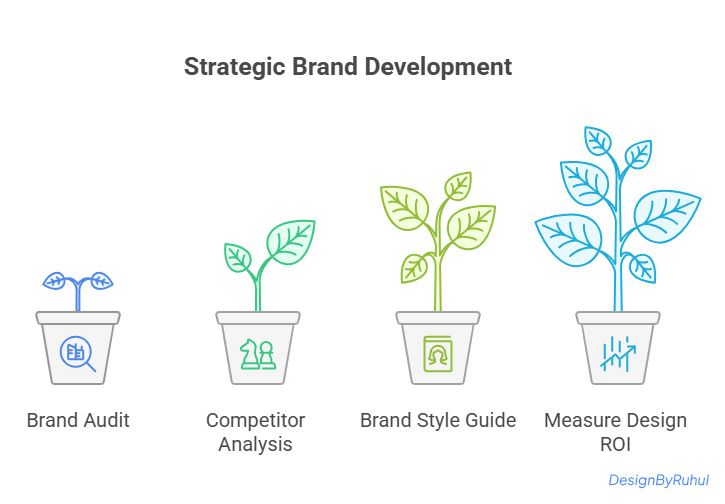
Brand Audit: Assessing Your Current Visual Identity
A brand audit is a comprehensive analysis of your current brand identity, including visual elements, messaging, and overall brand performance. This step helps identify areas of strength and weakness, providing a foundation for future brand development.
By conducting a thorough brand audit, businesses can gain valuable insights into their brand’s current state and make informed decisions about future branding efforts.
Competitor Analysis and Market Positioning
Competitor analysis involves examining the branding strategies and market positioning of your competitors to understand the competitive landscape. This analysis helps businesses identify opportunities to differentiate their brand and establish a unique market presence.
Understanding your competitors’ strengths and weaknesses enables you to develop a more effective brand strategy that resonates with your target audience.
Creating a Comprehensive Brand Style Guide
A brand style guide is a crucial tool for maintaining consistency across all branding efforts. It outlines the proper use of visual elements, tone of voice, and messaging, ensuring that all marketing materials and customer touchpoints align with the brand’s overall identity.
By creating a comprehensive brand style guide, businesses can ensure that their brand is presented consistently across all channels, reinforcing their brand identity and messaging.
Measuring Design ROI Through Analytics
To evaluate the effectiveness of their branding efforts, businesses must measure design ROI through analytics. This involves tracking key performance indicators (KPIs) related to branding, such as brand awareness, customer engagement, and conversion rates.
By analyzing these metrics, businesses can gain insights into the impact of their branding efforts and make data-driven decisions to optimize their brand strategy.
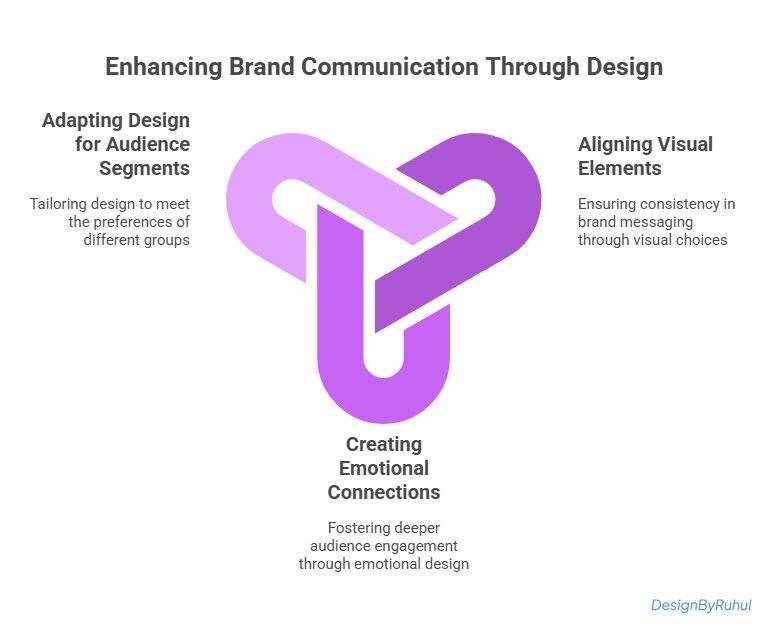
Brand Communication Strategy Through Graphic Design
Graphic design is a powerful tool in brand communication, enabling businesses to connect with their audience on a deeper level. By leveraging visual elements, brands can convey complex messages in a simple, yet impactful manner.
Aligning Visual Elements with Brand Messaging
Aligning visual elements with brand messaging is crucial for consistent brand communication. This involves selecting colors, typography, and imagery that reflect the brand’s values and personality. For instance, a brand like Dove uses a consistent visual language across its campaigns, reinforcing its message of real beauty.
Creating Emotional Connections Through Design
Creating emotional connections through design involves understanding the audience’s needs and desires. By using design elements that evoke emotions, brands can foster a deeper connection with their audience. The use of storytelling in graphic design can make a brand’s message more relatable and memorable.
Adapting Design for Different Audience Segments
Adapting design for different audience segments is essential for effective brand communication. This requires understanding the preferences and behaviors of various audience groups and tailoring the design accordingly. For example, a brand targeting younger audiences might use bold, vibrant colors and modern typography.
Conclusion: Investing in Strategic Visual Branding for Long-Term Success
Investing in a well-crafted brand design strategy is crucial for businesses seeking long-term success. By establishing a strong brand identity, companies can build credibility and drive growth. Strategic visual branding plays a vital role in shaping consumer perception and creating emotional connections with the target audience.
A comprehensive brand design strategy encompasses visual consistency, color psychology, typography, and logo design. By implementing these elements effectively, businesses can differentiate themselves from competitors and foster brand loyalty. As seen in successful brands like Coca-Cola and Apple, a strong brand identity can lead to increased brand recognition and customer engagement.
To achieve long-term success, businesses must prioritize strategic visual branding and continually assess and refine their brand design strategy. By doing so, companies can ensure their brand remains relevant and resonates with their target audience, driving business growth and profitability.
FAQ
What is the role of graphic design in building brand credibility?
Graphic design plays a crucial role in building brand credibility by creating a strong visual identity that resonates with the target audience. A well-designed brand identity can make a significant difference in how a brand is perceived by its target audience.
How does brand design strategy impact consumer perception?
A brand design strategy shapes consumer perception by creating a consistent visual identity that communicates the brand’s values and messaging. This can lead to increased brand recognition and trust.
What are the essential elements of effective brand identity design?
The essential elements of effective brand identity design include visual consistency across all touchpoints, color psychology, typography, and logo design. These elements work together to create a strong brand identity that resonates with the target audience.
How can businesses implement a strategic brand development process?
Businesses can implement a strategic brand development process by conducting a brand audit, competitor analysis, creating a comprehensive brand style guide, and measuring design ROI through analytics.
What is the importance of aligning visual elements with brand messaging?
Aligning visual elements with brand messaging is crucial in creating a consistent brand identity that communicates the brand’s values and messaging effectively. This can lead to increased brand recognition and customer engagement.
How can graphic design be used to create emotional connections with the target audience?
Graphic design can be used to create emotional connections with the target audience by using visual elements that resonate with the audience’s values and emotions. This can be achieved through the use of color psychology, typography, and imagery that evokes emotions.
What is the role of brand positioning in brand design strategy?
Brand positioning plays a crucial role in brand design strategy by identifying the brand’s unique selling proposition and differentiating it from competitors. This helps to create a strong brand identity that resonates with the target audience.
How can businesses measure the ROI of their brand design strategy?
Businesses can measure the ROI of their brand design strategy by tracking key performance indicators such as brand recognition, customer engagement, and sales. This can be achieved through analytics tools and market research.
Learn more in my guide on How to Choose the Right Graphic Style for Your Brand Personality
